Educator Reflections on School Climate and Learning During a Time of Uncertainty
January 2026 By rsEdge, Inc.
Recent national and local events involving federal immigration enforcement have prompted difficult conversations in school communities across the country. Following the fatal shooting of U.S. citizen Renee Good by an Immigration and Customs Enforcement (ICE) agent in Minneapolis and the subsequent increase in federal enforcement activity, educators were asked to reflect on how these developments are affecting schools, students, and families — and on the decision by the city of Minneapolis to offer remote learning as an option during this period.
Their responses reflect a community experiencing significant concern and emotional strain in areas with a high proportion of immigrants, alongside pockets of stability and reassurance, as educators work to support students during this time.
Schools as Safe Spaces
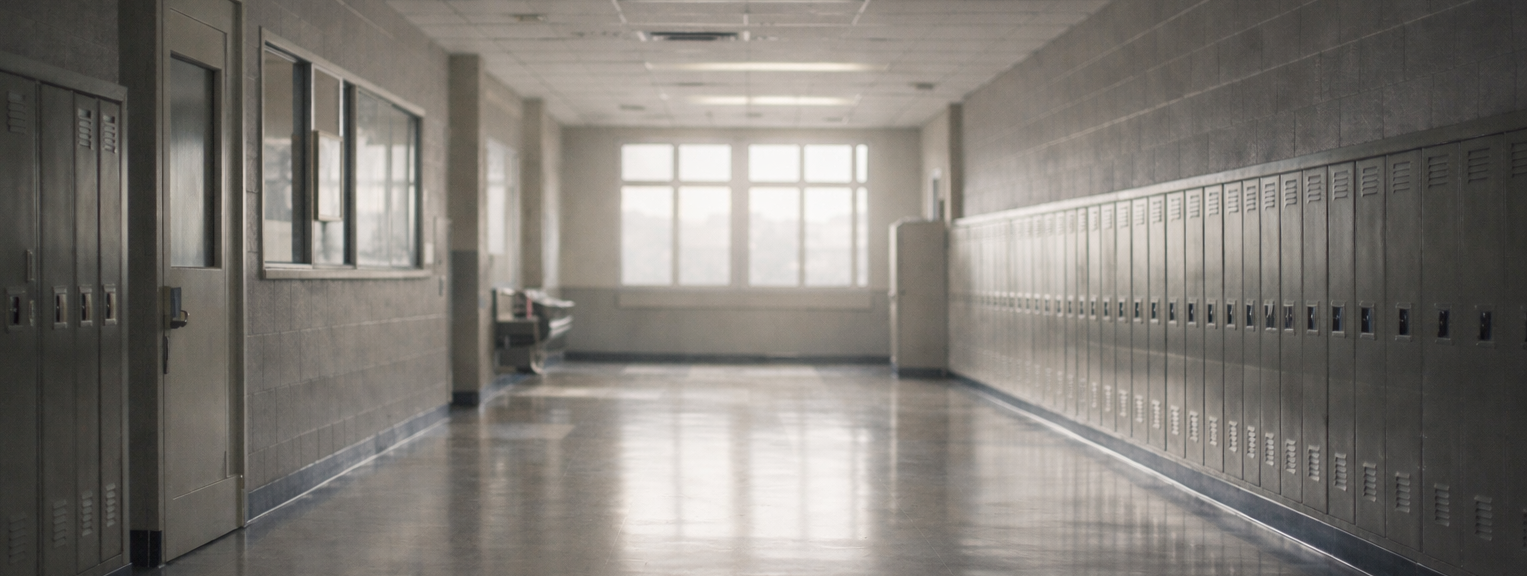
Across responses, educators consistently emphasized that public schools should remain safe, trusted environments focused on learning and student well-being. Many respondents strongly opposed the use of schools in enforcing immigration policy, describing fear, absenteeism, and a loss of trust when schools are perceived as connected to enforcement activity.
“The tragedy in Minneapolis has a powerful ripple effect on learning, especially for students who already carry fear, grief, or mistrust into the classroom. When communities experience violence or injustice, students’ ability to focus, feel safe, and stay motivated is deeply shaken.”
— Teacher, South, Large District, Urban
“I believe federal officers should not use public schools as a resource for enforcing immigration policy.”
— Teacher, Northeast, Medium district, Urban
Several educators framed schools as essential safe havens for children and families—places where students should not fear that attendance could expose them or their loved ones to harm or detention.
“School should be a safe haven for our students, where they feel safe.”
— Principal, South, Very Large District, Urban
“Schools should be safe spaces in which students come to learn and grow. They should not fear repercussions for being present. Regardless of what one thinks or believes about those in the country without paperwork, schools are not the place to take action regarding immigration policy.”
— Teacher, Midwest, Small District, Rural
At the same time, a small minority of respondents expressed the view that law enforcement should be allowed to carry out lawful duties and that schools should not obstruct enforcement. These responses tended to emphasize compliance with legal authority rather than advocating for enforcement activity in schools as a preferred approach. In the context of the full discussion, this perspective appeared far less frequently than the prevailing safe-haven stance.

Community Mood:
Predominantly Anxious, with Varied Local Experiences
When asked about the mood in their communities, the majority of educators described heightened anxiety, fear, and unease, particularly among immigrant families and communities with recent enforcement activity. Several responses emphasized that families are feeling unsafe and uncertain about what increased enforcement could mean for their children.
“People are nervous and scared.”
— Assistant Superintendent, West, Medium District, Rural
“The overall mood has been one of heightened anxiety and concern.”
— Instructional Coach, South, Very Large District, Urban
Some educators described particularly acute tension in communities with large immigrant populations.
“Several of our parents have been detained by ICE, which has heightened fear and tension in our schools and community.”
— Title I Director, South, Medium District, Rural
“The Hispanic Community is on edge… Many are afraid of doing jobs after school because of ICE. The students are terrified.”
— Curriculum & Instruction Director, South, Very Large District, Suburban
At the same time, a smaller number of respondents reported more limited discussion or impact in their local schools, underscoring that experiences vary by region.
“Our community is a bit on edge but so far all of the activity has been centered in the bigger cities and has not made it to our rural area. We have not witnessed anything different among students yet and would totally be open to offering remote learning during these uncertain times.”
— Superintendent, Midwest, Small District, Rural
Student Tension and Emotional Impact
While educators generally did not report widespread increases in physical violence, many observed increased emotional stress, fear, and distraction among students. Teachers working with students whose immigration status is uncertain expressed particular concern about the psychological toll.
“As a teacher of students whose status is uncertain, I know this creates fear and anxiety.”
— Teacher, West, Medium District, Urban
Even in communities without direct incidents, some educators noted an undercurrent of tension.
“I’ve not personally witnessed any increase in violence but the tension is palpable.”
— Curriculum & Instruction, West, Large District, Urban
Others feel these current events aren’t having a direct impact on students.
“Our community seems to see these events as not happening in their circle. Students have been talking about them as part of current events in class, but it hasn’t contributed to heightened violence or tension.”
— Assistant Superintendent, Northeast, Small district, Rural
Remote Learning as a Temporary Option

In response to Minneapolis’ decision to offer remote learning for the next month, most educators expressed cautious support. A number viewed remote learning as a short-term option that provides families with flexibility and a greater sense of safety during an emotionally charged period.
“I support doing remote learning if staff, parents, and students are in danger. Safety has to come first.”
— Principal, West, Very Large District, Suburban
“While I think that in-person learning is the most effective method, in this instance, remote learning is a viable option.”
— Instructional Coach, South, Very Large District, Suburban
Several respondents also raised concerns about long-term academic engagement and continuity, reinforcing that remote learning is seen as a temporary measure, not a replacement for in-person instruction.
“Remote learning may provide temporary relief, but it raises concerns about long-term engagement and academic continuity.”
— Instructional Coach, South, Very Large District, Urban
Others indicated that remote learning is either not an option in their state or would be a bad option in any circumstance.
“Going back to remote learning? Definitely not. While remote learning works for a small percentage of our high school students, remote learning is a misnomer for learners under age 14: no learning was taking place. Remote learning is “not learning.” I don’t think that is an option for education. Giving up on efforts to educate students is not an acceptable option to social or governmental pressures.”
— Instructional Coach, South, Very Large District, Suburban
Moving Forward
Taken together, educator reflections indicate that the tensions in Minneapolis between immigration enforcement officers and the public primarily impacts their own school climate by increasing the degree of fear and uncertainty, though few have experienced violence. The dominant theme is that schools should remain trusted and protected learning environments – particularly for students and families who may feel vulnerable during periods of heightened enforcement activity.
It is important to keep in mind, however, that there are some educators who emphasize more of a law & order viewpoint, and believe it is important for schools to remain neutral about enforcement activity. Any discussion of this issue requires sensitivity towards both viewpoints.
Methodology Note
This article is based on qualitative responses from 80 U.S. K-12 educators participating in an online discussion forum. While the mix of respondents is spread across the United States and across rural, suburban, and urban communities, the responses should not be considered fully representative.
Participants were asked to reflect on four guiding questions related to immigration enforcement, community mood, student safety, and the availability of remote learning during periods of heightened tension. Responses were reviewed and analyzed for recurring themes and overall sentiment. Sentiment was categorized as negative/concerned, mixed/neutral, or positive/reassuring based on language used and the presence of fear, uncertainty, stability, or reassurance. While the majority of responses expressed concern or anxiety, a smaller number reflected neutral or stabilizing perspectives, which are represented alongside more strongly concerned views.
Quotes included in this article are presented verbatim and attributed as provided by respondents. District size definition. Small= 600-2,499 students in district, Medium= 2,500-9,999 students in district, Large= 10,000-24,999 students in district, Very large=25,000 or more students in district.
Our Commitment at rsEdge
At rsEdge, Inc., we believe that understanding the lived experiences of educators is essential to informed decision-making in education. As an independent market research company based in Atlanta, Georgia, we engage a nationwide community of U.S. administrators and educators across grades K–12 to surface authentic perspectives during both routine and challenging moments.
Our role is not to prescribe solutions, but to listen carefully, elevate educator voices, and provide clear, unbiased insights that help organizations, policymakers, and communities better understand the realities shaping today’s schools.